What’s Up with Condor Recovery: 1pm March 28
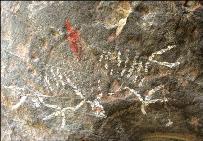 As the noted biologist Ken Brower pointed out, “When the Vultures watching your civilization begin dropping dead…it is time to pause and wonder” (Erlich et.al. 1988).
Most people know the California condor are as threatened as dark skies and starlight. The giant carniverous birds traveled far and wide for meals; they thrived when whales and other large mammals died and they could scavenge plenty of food from the carcasses–items which we don’t like to leave laying around. In the past, it was DDT and other threats; today a number of causes threaten extinction from lack of sufficient food sources to deadly lead shot laden carcasses from which they dine and other causes. Even before the prevalence of DDT, condors were killed for their long hollow quills where miners stored gold dust.
On the afternoon of March 28, from 1-4pm long before the lights go out at 8:30pm, learn what’s up with condors at Ventura’s Poinsettia Pavilion in a free presentation by Jesse Grantham, Condor Recovery Program Coordinator for USFWS. The Poinsettia Pavilion is located at 3451 Foothill Road, Ventura.
The condor is an important animal to the local Chumash. The Chumash say that Condor, Molloko, was originally a white bird. When he saw a camp fire burning in the Chumash village on Santa Cruz Island, he was very curious and swooped down to see. But he flew too close and he scorched his feathers.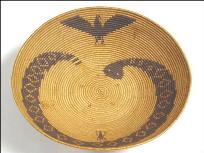
In those days, Condor was a white bird. But Condor was very curious about the fire he saw burning in the Chumash village. He wanted to find out what it was. So he flew very low over the fire to get a better look. But he flew too close; he scorched his feathers and they turned black. So now Condor is a black bird, with just a little white left under the wings where they didn’t get burned.
According to many sources, the Condor was and is an important animal to many native peoples which live and lived in the Condor’s broad range on the West Coast.
There is scattered evidence of the ritual use of California condors through much of the Californias. The sacrifice of these birds seems to have been widespread. In general, this served to transfer the power of the bird sacrificed to those engaged in its ritual killing. Possibly the condor’s association with the dead (being a carrion eater), led to its incorporation into mourning activities and renewal ceremonies. It may be noted that a similar ritual sacrifice of an Andean condor was observed in 1970 in Peru. Here a captured bird was ritually dispatched in public ceremony blending Inca and early Spanish traditions (Snyder and Snyder 2000:30-32).
The Condor is also an important figure to the Quechua and other native peoples of the Andes; our word for condor comes from the Quechua word “kuntur.” One of the most meaningful experiences of my life was visiting the Condor altar at Machu Picchu back in 2001, once during the day and another time hiking in by myself in the mists of the night under a full moon on the eve of my birthday.
More poems and stories about condor as well as the Chumash:
Antlers on my Head, Silene in my Teeth
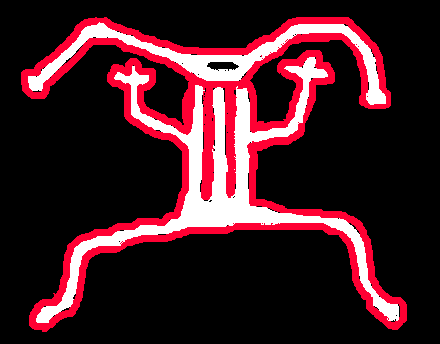
The Rainbow Bridge: How we & dolphins came to be–A Chumash origin story
Poem: To heal the world, sing songs
Chumash publish Samala dictionary
Discover more from art predator
Subscribe to get the latest posts sent to your email.














 art predator